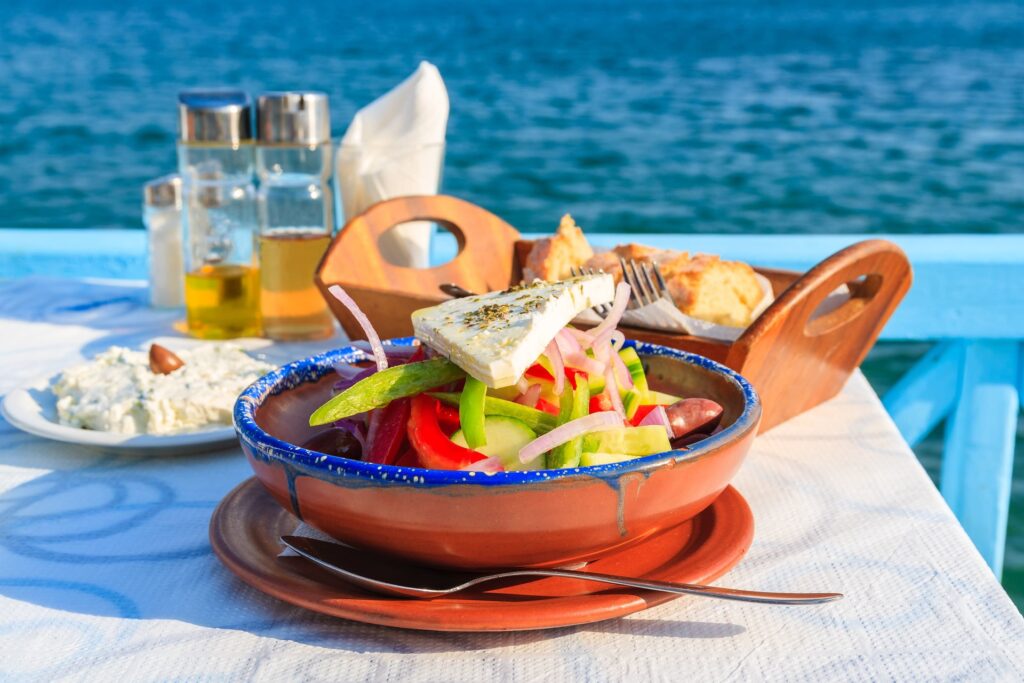

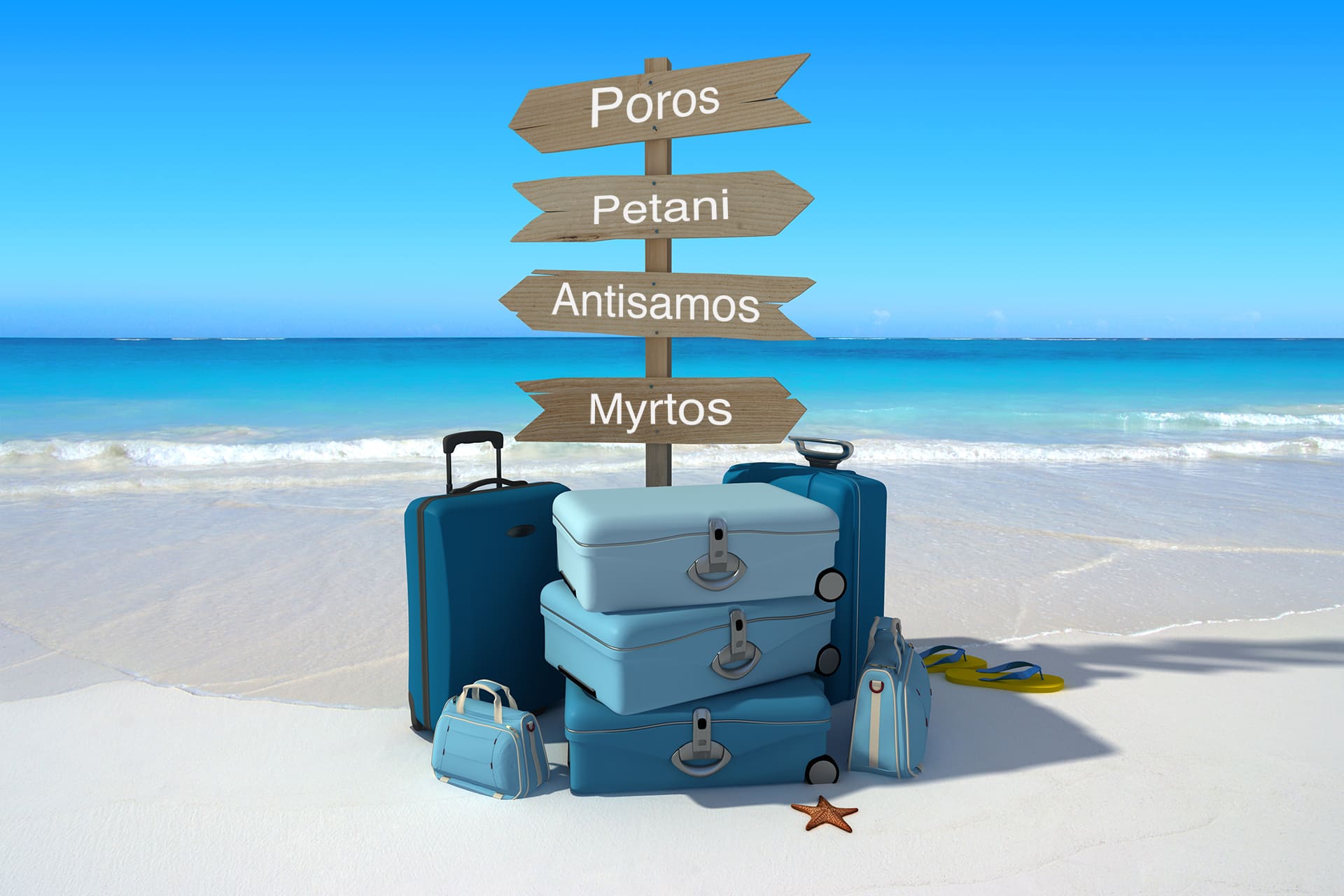
In response to frequent questions, we have collected a series of useful information about Kefalonia.
Kefalonia is a vast and diverse island, perfect for a holiday for all types of tourists, from the more active to those seeking a truly relaxing experience.
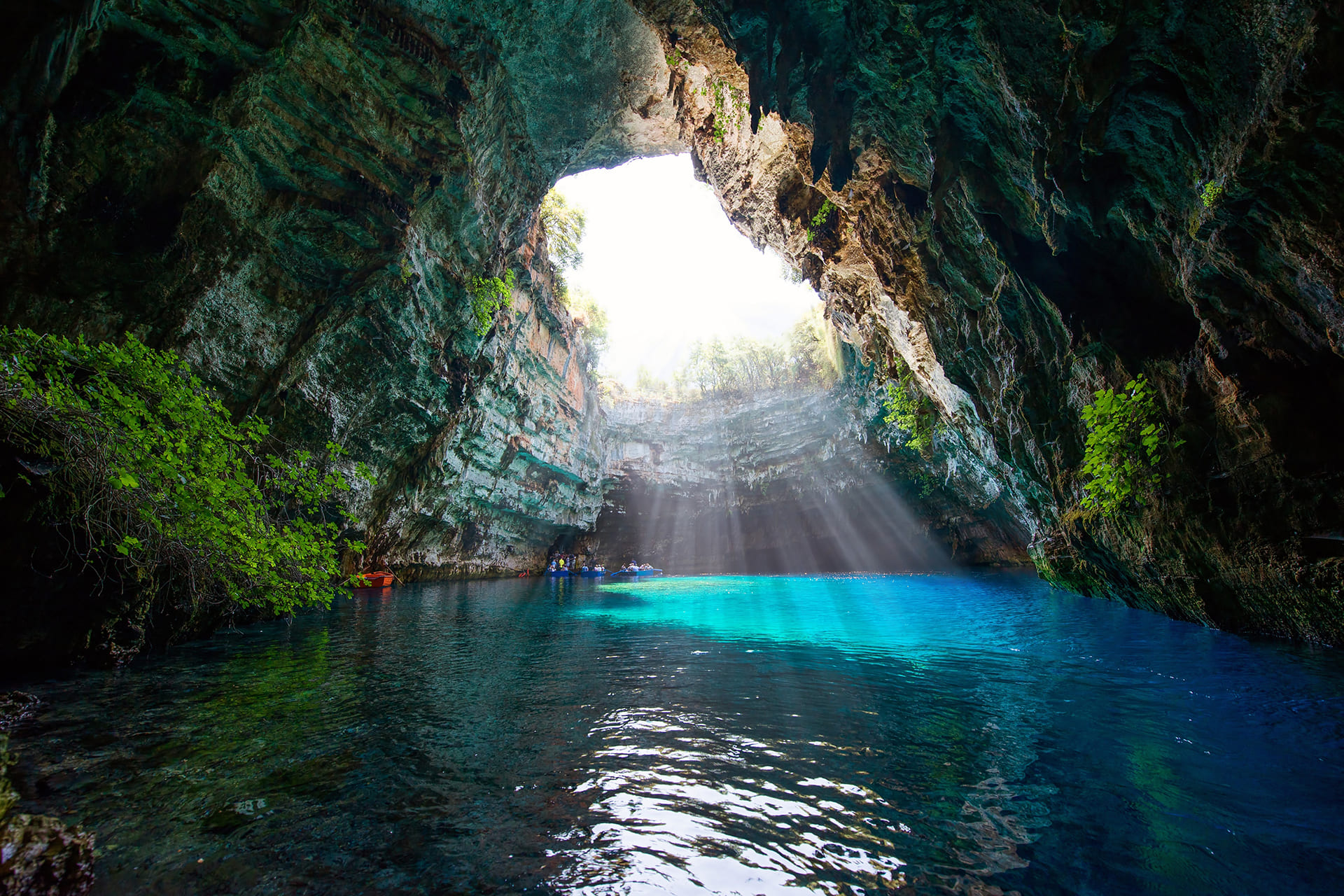
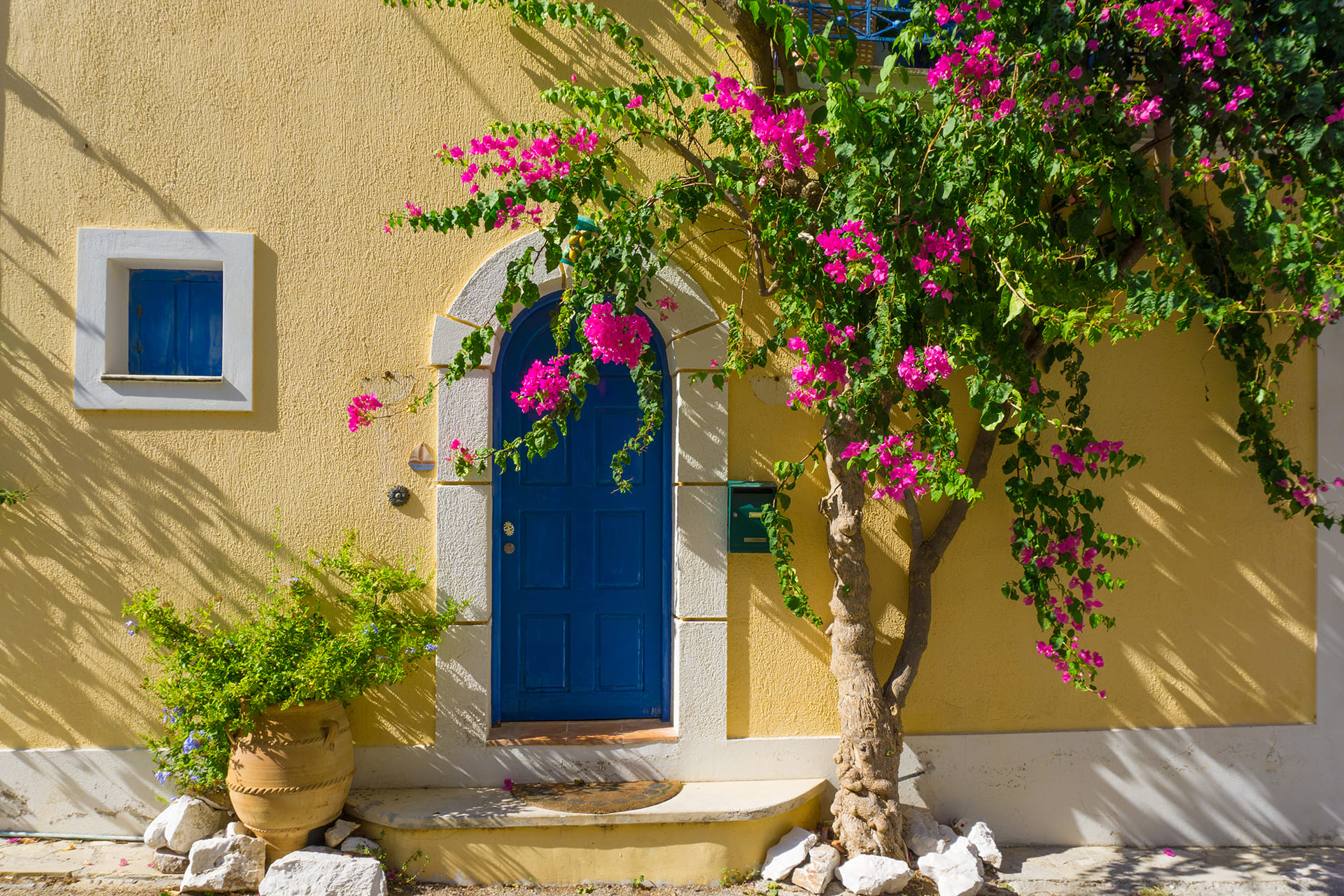
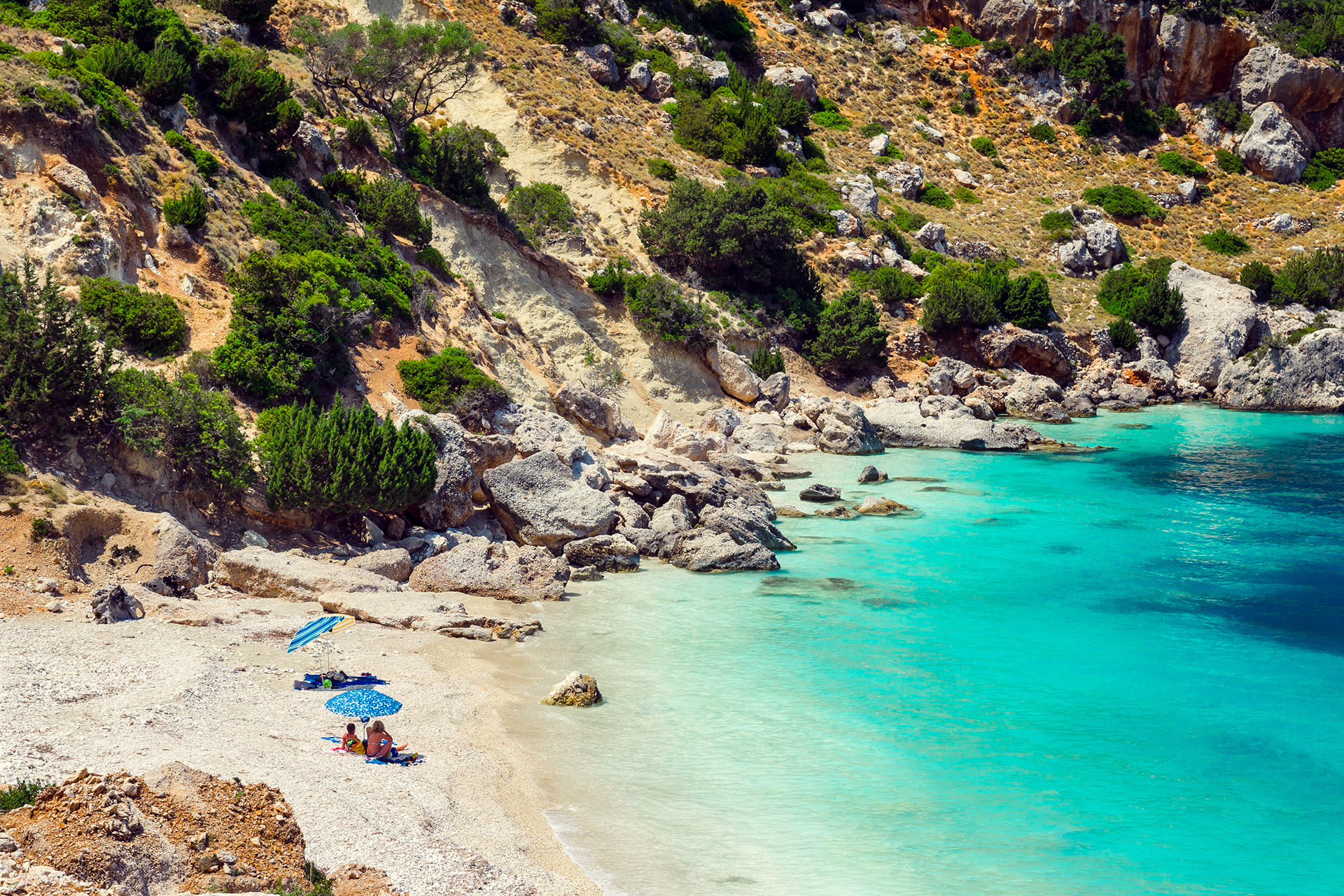
Thanks to its clear sea and incredible colors, its hidden bays, caves, picturesque villages and breathtaking views, it will make your stay on the island simply enchanting and special.
It also offers pleasant scenic walks amidst nature, visits to unique geological phenomena, and an encounter with a thousand-year history.
The island of Kefalonia is a true gem that amazes all those who come here for their holidays every summer.

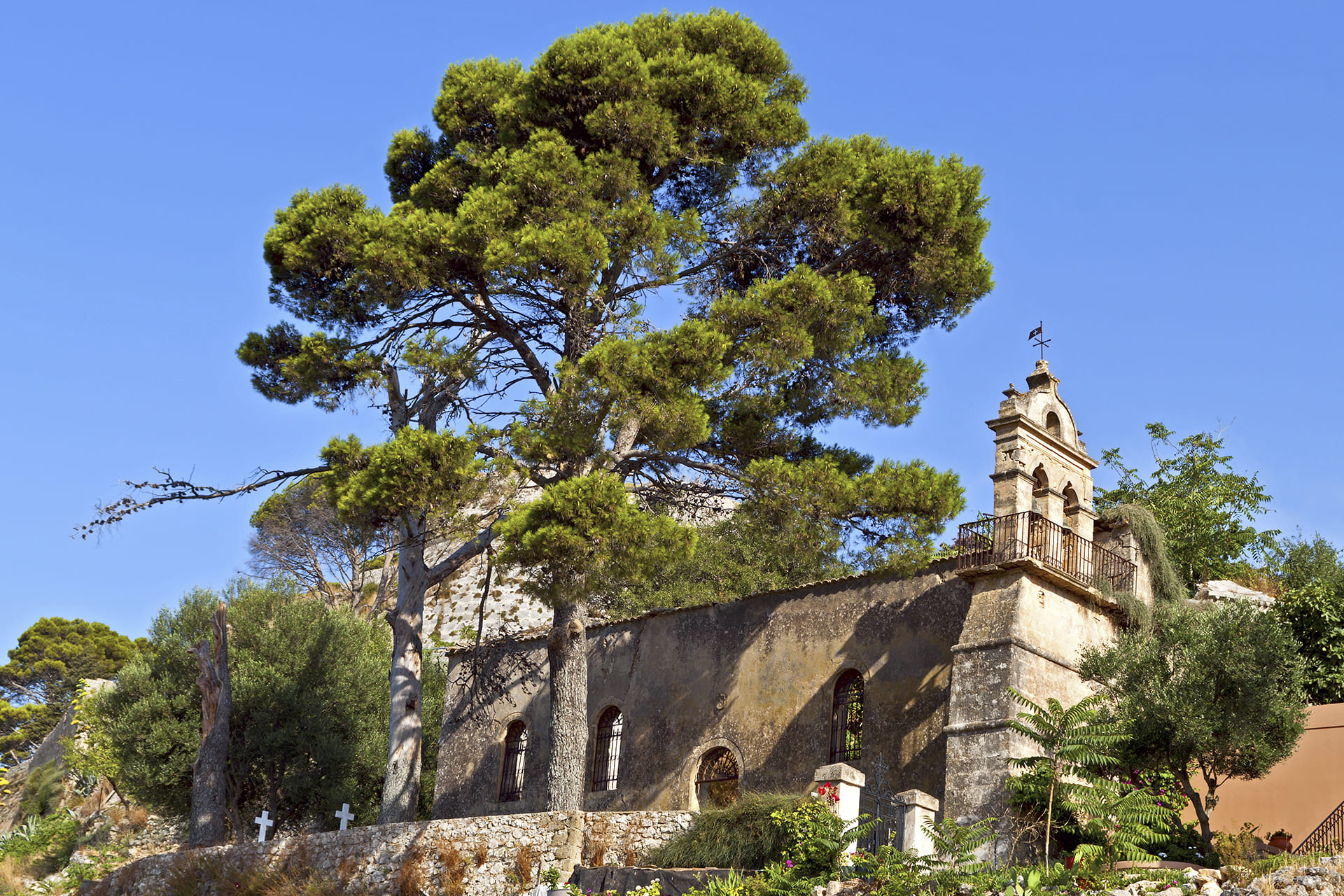
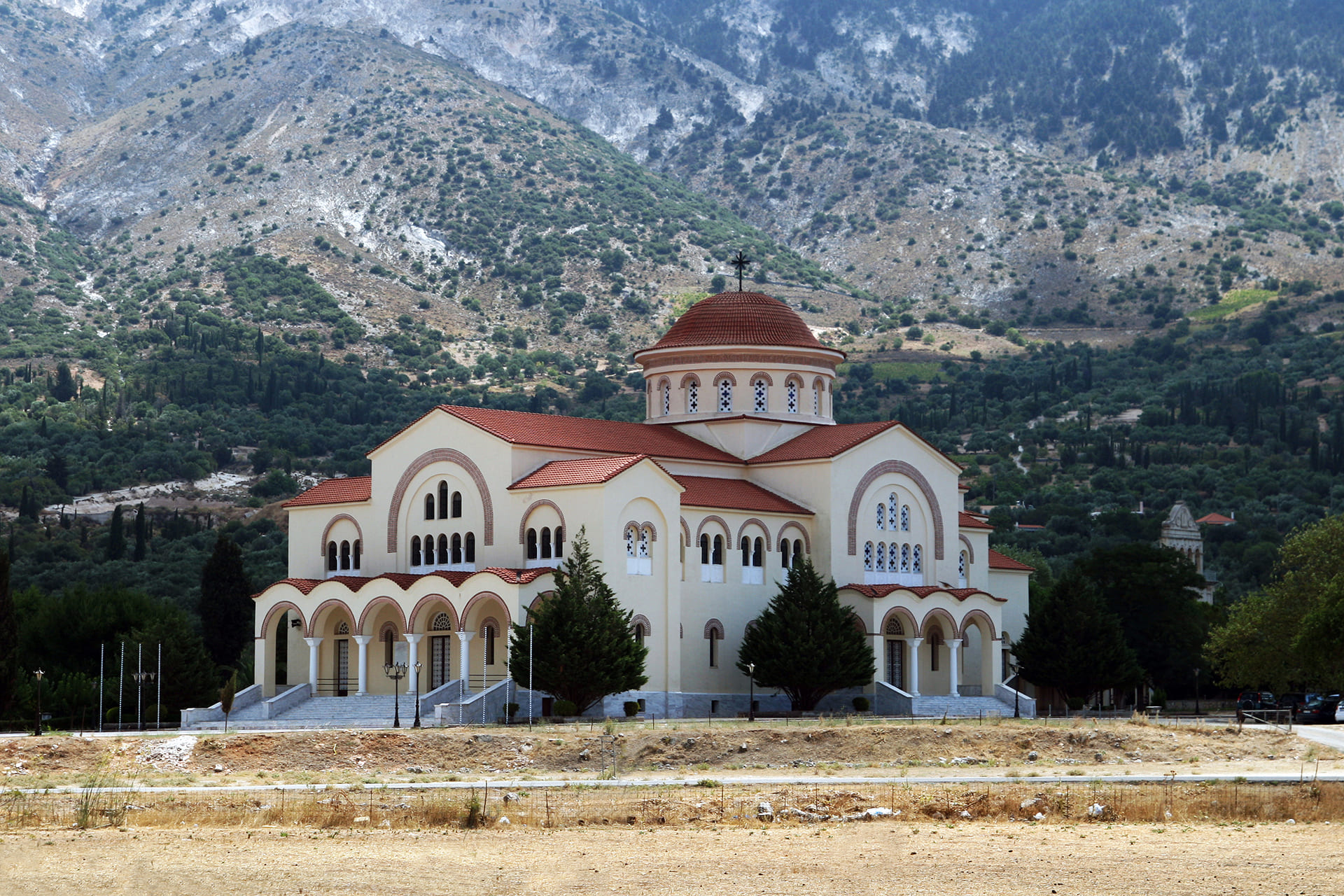
Some geographical data.
The Greek archipelago of the Ionian Islands consists of 7 islands: Corfu, Paxi, Lefkada, Kefalonia, Ithaca, Zakynthos, and Kithira.
Of these, the largest is Kefalonia , which boasts a surface area of approximately 780 km2 and whose department also includes the nearby island of Ithaca and several uninhabited islets closer to mainland Greece.
It is located opposite the entrance to the Gulf of Corinth, about 30 km from the western coast of the Peloponnese.
The coasts of Kefalonia are very jagged and form several gulfs: those of Sami and Antisamos to the north, that of the capital Argostoli in the centre and the gulf of Lourdas to the south.
The island's topography is clearly divided into two large peninsulas: Paliki and Erissos .Kefalonia
is also the most mountainous island in Ionian Greece.

The most important peak is undoubtedly Mount Aenos, which reaches 1,628 metres above sea level and divides the island into two parts.
At the top is a splendid national park that is home to a local breed of wild horses and where you can go on various excursions.
To the east are the mountains Kokkini Rachi, Atros and Merovighli.
Featuring mild winters and warm but not muggy summers, the island is home to caves, underground canals, and hot springs.
Despite developing tourism over time, Kefalonia has managed to retain its traditional character and distinctive natural beauty.
The numbers of Kefalonia.
- Extension: 781 km2
- Length: approximately 20 km
- Width: varies between 7 and 25 km
- Coastal area: 254 km2
- Highest peak: 1,628 m (Mount Aenos)
- Population: approximately 40,000 inhabitants
- Municipalities: 9 (including Itaka)
When is the best time to leave?.
The summer season in Kefalonia begins in May and ends in October.
During this period it rains very rarely and temperatures fluctuate between 23 and 36 degrees.
There are days when a light breeze makes the air cooler and consequently the heat more bearable: this is the Maistros, a wind that usually rises in the early afternoon and blows from north to south.
May
marks the beginning of the summer season, with warm weather during the day and cool evenings and nights.
The island is still empty, with very little tourism, and consequently, the beaches are virtually deserted.
The sea is almost always calm because there are no winds, and the hinterland is full of flowers.
June:
The real heat arrives, and the beach becomes the perfect place to spend the day.
The sea has a more pleasant temperature, and the beaches begin to fill up.
June is the best month for sleeping at night.
July:
The heat, tempered by a light wind called Maistros, becomes increasingly felt even at night.
The island's beaches begin to fill up more with tourists from all over.
August
is undoubtedly the month with the most tourists, especially Italians and Greeks, and the busiest time of year on the island, but it's also the time when the heat is most noticeable due to increased humidity.
Famous beaches like Myrtos and Antisamos are very crowded, as are the picturesque villages of Fiskardo and Assos.
September
is the best month for those who can afford it. Temperatures are cooler, the sky is a deep blue, and the sun is just the right amount of warm.
There are few tourists on the island, and spending days on the beach is wonderful.
October
Temperatures drop further although it still remains warm especially during the central hours of the day, in fact you can still swim without problems.
During this period, Kefalonia becomes a true paradise as the countryside, scorched by the summer months, returns to green and the particularly mild air invites you to go for walks.
For outdoor dining during this period, we recommend covering up in the evenings because it starts to get chilly.


Practical information.
Documents
If you are an EU citizen, no special documents are required to enter Greece. For all other citizens, a passport is essential. For further information, please contact the embassies or consulates in Greece.
Animals
: Before being brought into Greece, animals must have a health certificate and have received rabies prophylaxis.
The certificate must be no more than 12 months old for dogs, no more than 6 months old for cats, and no less than 6 days old prior to arrival in Greece.
Health:
In the capital, Argostoli, there is a state hospital where you can get free emergency care upon showing your health card.
There are many private clinics and specialists who speak Italian and English in the city, as well as clinics and pharmacies in all the island's tourist towns.
attire
is required to visit churches and monasteries (long trousers or skirts and sleeved shirts).
In some churches, shawls are available for visitors who do not wear appropriate clothing to cover themselves before entering.
Clock
Time in Greece is two hours ahead of Greenwich Mean Time, therefore one hour ahead of Italy.
Like the rest of Europe, Greece observes daylight saving time during the summer months (March-September).
Greeks usually take a siesta between 2:30 PM and 5:30 PM, and many shops in the city remain closed, while those in tourist towns remain open all day.
A curiosity… Time in Greece has a particular concept: here there is no rush, punctuality does not exist and the watch is worn only for aesthetics.
They themselves know how to take it easy in every situation (except when serving tourists), so much so that GMT is not considered Greenwich Meridian Time, but rather Greek Maybe Time!
Electricity
Power outlets in Greece are double, not triple, so we recommend traveling with an adapter.
Roads:
The island is covered by an efficient road network of main roads, secondary roads, and dirt roads, which can reach even the most unlikely places.
However, the roads are not always in good condition, so it's advisable to wear a seatbelt and always pay particular attention to potholes.
On this website, you can find more useful information about Kefalonia, including more detailed information specifically dedicated to a single location or beach, so you can get an idea of what the island has to offer.